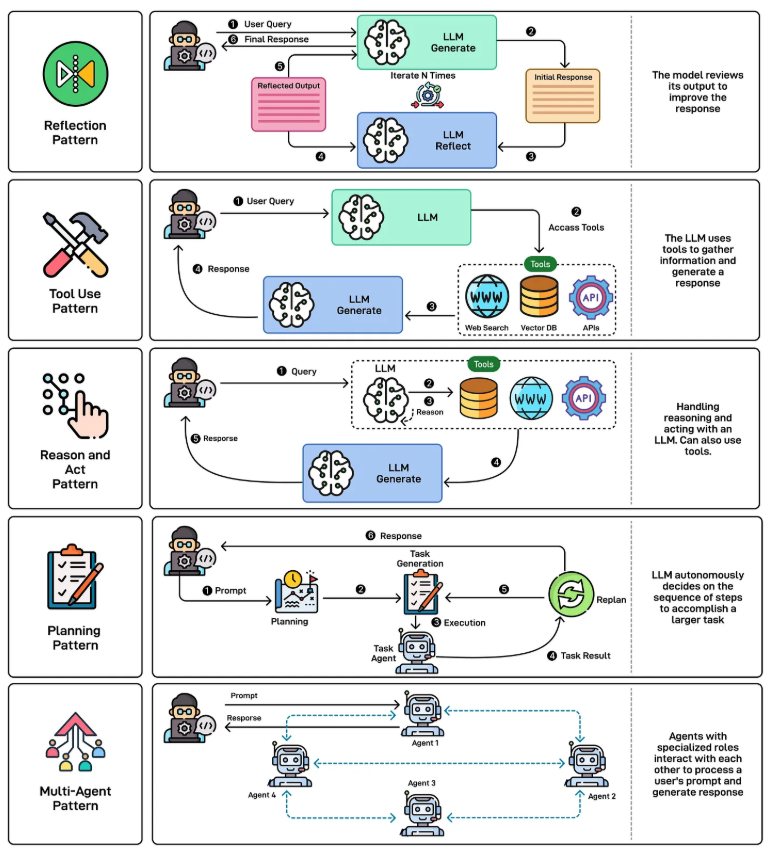
As AI systems evolve, we are moving beyond single-prompt interactions toward agentic workflows—architectures where AI systems can reason, plan, act, and adapt autonomously to complete complex tasks. In this article, i introduce the most important agentic workflow patterns that are shaping modern AI applications.
Traditional LLM usage follows a simple request–response model. Agentic workflows, however, structure AI behavior into iterative, goal-driven processes, allowing models to decompose problems, make decisions, use tools, and refine outputs over multiple steps. This approach significantly improves reliability, scalability, and problem-solving capability.
The article highlights several core workflow patterns:
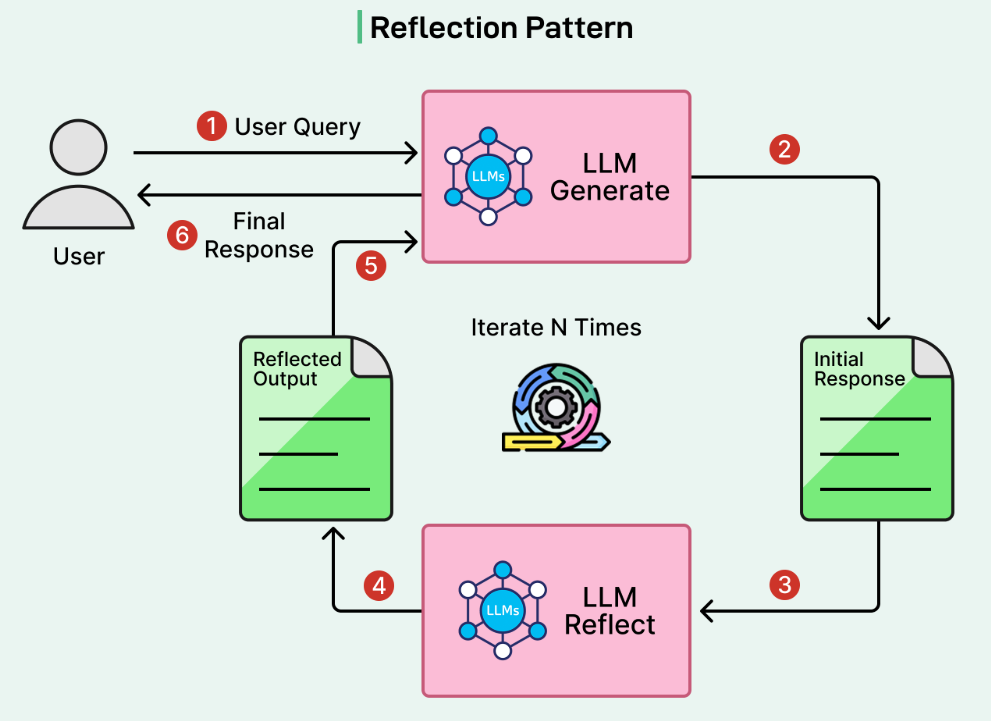
1. Reflection Pattern
In this pattern, the AI evaluates its own output and iteratively improves it. By reviewing answers for correctness, clarity, or completeness, the model can reduce errors and produce higher-quality results. Reflection is especially useful for writing, reasoning tasks, and code generation.
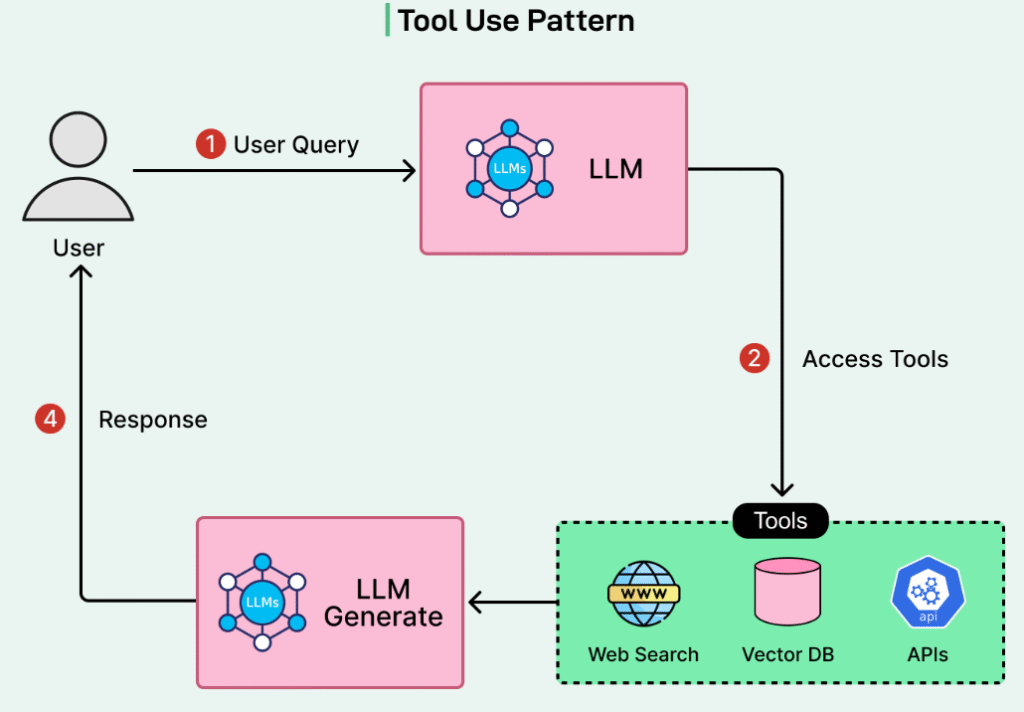
2. Tool Use Pattern
Agentic systems can call external tools such as search engines, calculators, databases, APIs, or code interpreters. This extends AI capabilities beyond static knowledge, enabling real-time data access and execution of concrete actions rather than relying solely on model memory.
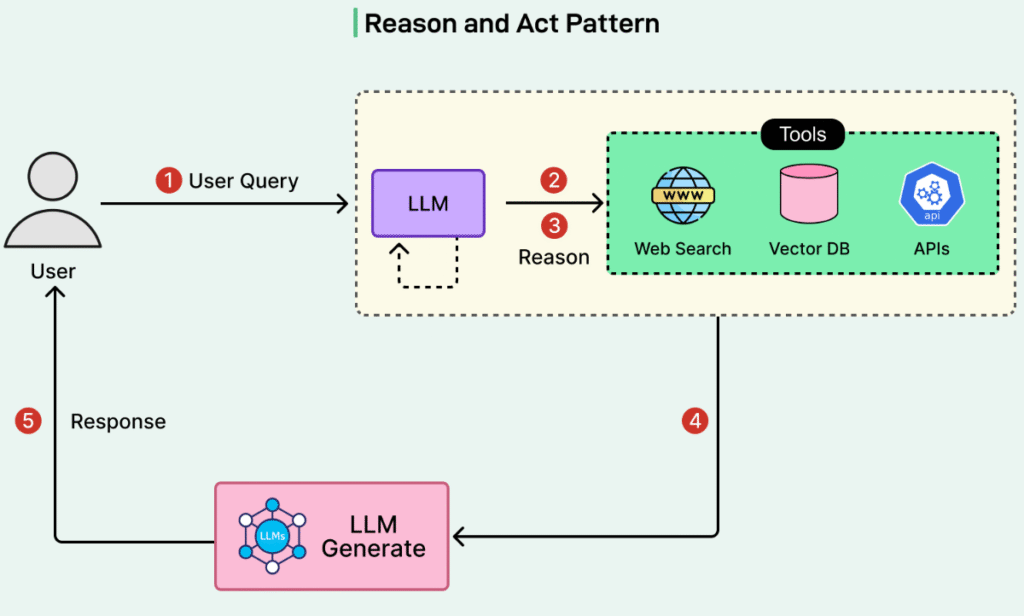
3. ReAct (Reason + Act) Pattern
ReAct interleaves reasoning steps with actions. The AI first thinks about what to do next, performs an action (like querying a tool), observes the result, and then continues reasoning. This pattern helps agents dynamically adapt based on intermediate outcomes instead of following a rigid plan.
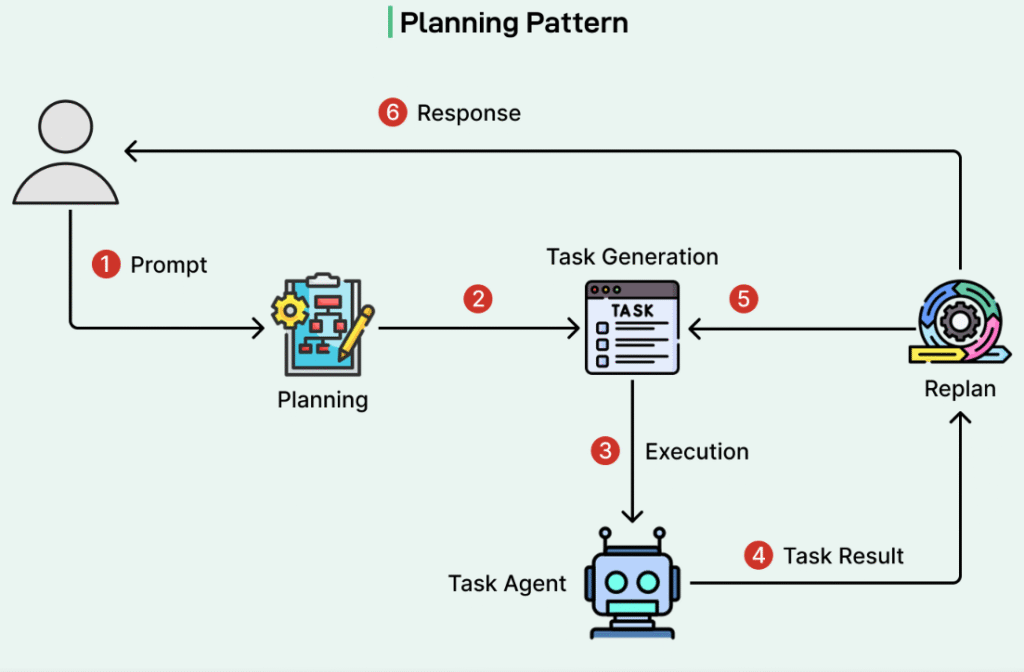
4. Planning Pattern
For complex tasks, the AI first creates a structured plan by breaking a goal into smaller sub-tasks. It then executes each step sequentially or conditionally. Planning improves consistency and is well-suited for workflows like research, multi-step automation, or project execution.
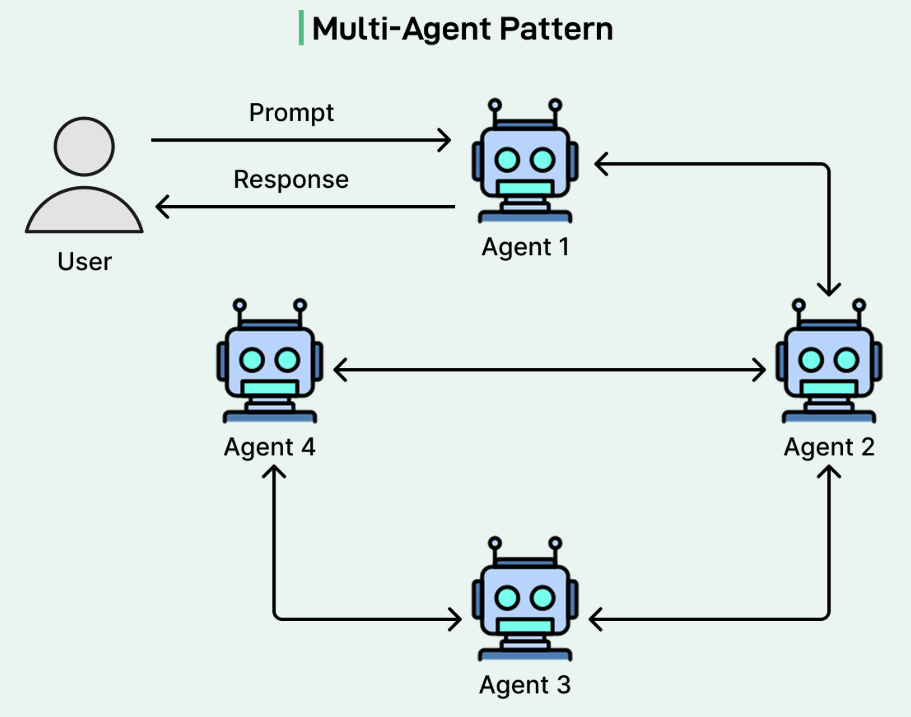
5. Multi-Agent Pattern
Instead of relying on a single AI, multiple specialized agents collaborate, each focusing on a specific role (e.g., planner, researcher, reviewer). This mirrors human team structures and often leads to better performance through specialization and parallelism.
Key Takeaway
Agentic workflow patterns transform AI from a passive assistant into an active problem-solving system. By combining reasoning, planning, tool usage, and collaboration, these patterns enable more robust, scalable, and intelligent applications. As AI systems become more autonomous, understanding and applying agentic workflows will be essential for building next-generation AI products.
Reference
https://blog.bytebytego.com/p/top-ai-agentic-workflow-patterns